


9'11''x14 Hand Knotted Wool Slate ,Green Oushak Nested Octagonal Medallion Traditional Rug
Oriental Rug Of Houston
ORH20672
Regular price
$ 7,500.00
$ 2,500.00
Sale
Frequently Bought Together
-
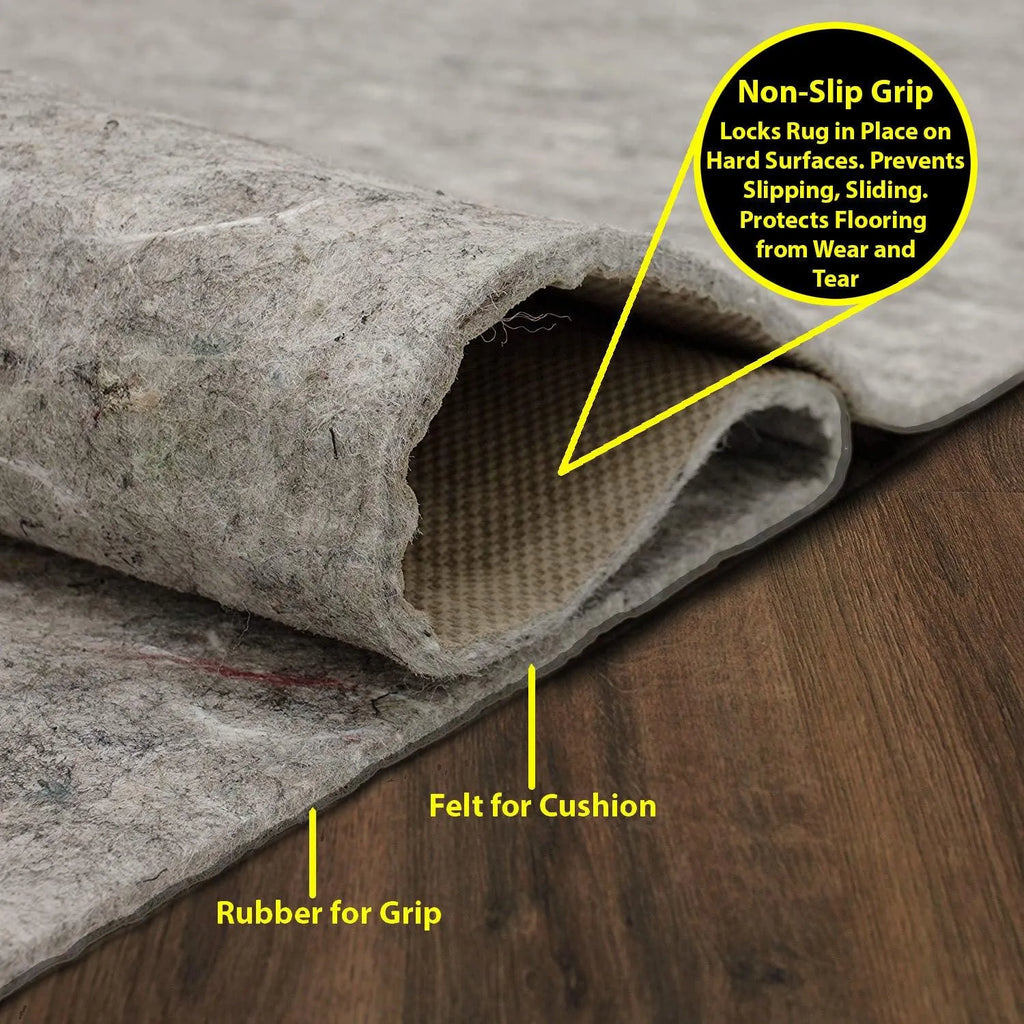
Multi Sizes LoomBloom Dual Surface Felt & Rubber Non-Slip Backing Rug Pad Made in USA
Select your rug size, we'll trim it accordingly.
- Exact Size: 9'11"x14
- Weave: Hand Knotted Rug
- Yarn: Wool
- Color: Slate, Green, Rose, Beige, Brown, Multi
- Origin: India
- Pile Height: 0.5 inch
- Condition: New
- Condition Description: New With Tags
- Rug#: ORH20672
Story Behind the Art: Traditional rugs trace their lineage back thousands of years to the great weaving centers of Persia, Central Asia, India, Anatolia, and the Caucasus, where carpets were originally created as functional textiles for warmth, prayer, and ceremonial use before evolving into highly refined works of art. Over time, these regional traditions developed distinct visual languages, yet shared a common emphasis on symmetry, balance, and meticulous craftsmanship. Traditional rugs are most often defined by structured compositions, featuring central medallions or all-over floral fields framed by decorative borders, with motifs such as palmettes, vine scrolls, rosettes, and arabesques (swirly vine and leaf design) arranged in harmonious repetition. Color palettes typically feature rich yet grounded tones like ivory, gold, indigo, rust, and deep brown, which lend warmth and depth to the designs. Hand-knotting remains central to the tradition, allowing for fine detail and durability, while medium to low pile heights help preserve pattern clarity. Valued for their enduring elegance and construction, traditional rugs continue to anchor classic and transitional interiors, offering a sense of history, refinement, and decorative richness that transcends changing design trends.
Want to see this rug in your room?
Picking the perfect piece has never been easier! Visualise it in your own space before making a decision.