


6'1''x9'8'' Hand Knotted Wool Ivory Blush Gabbeh Modern & Contemporary Pictorial Plush Pile Vegetable dyes Rug
Oriental Rug Of Houston
ORH21174
Regular price
$ 4,499.97
$ 1,499.99
Sale
Frequently Bought Together
-
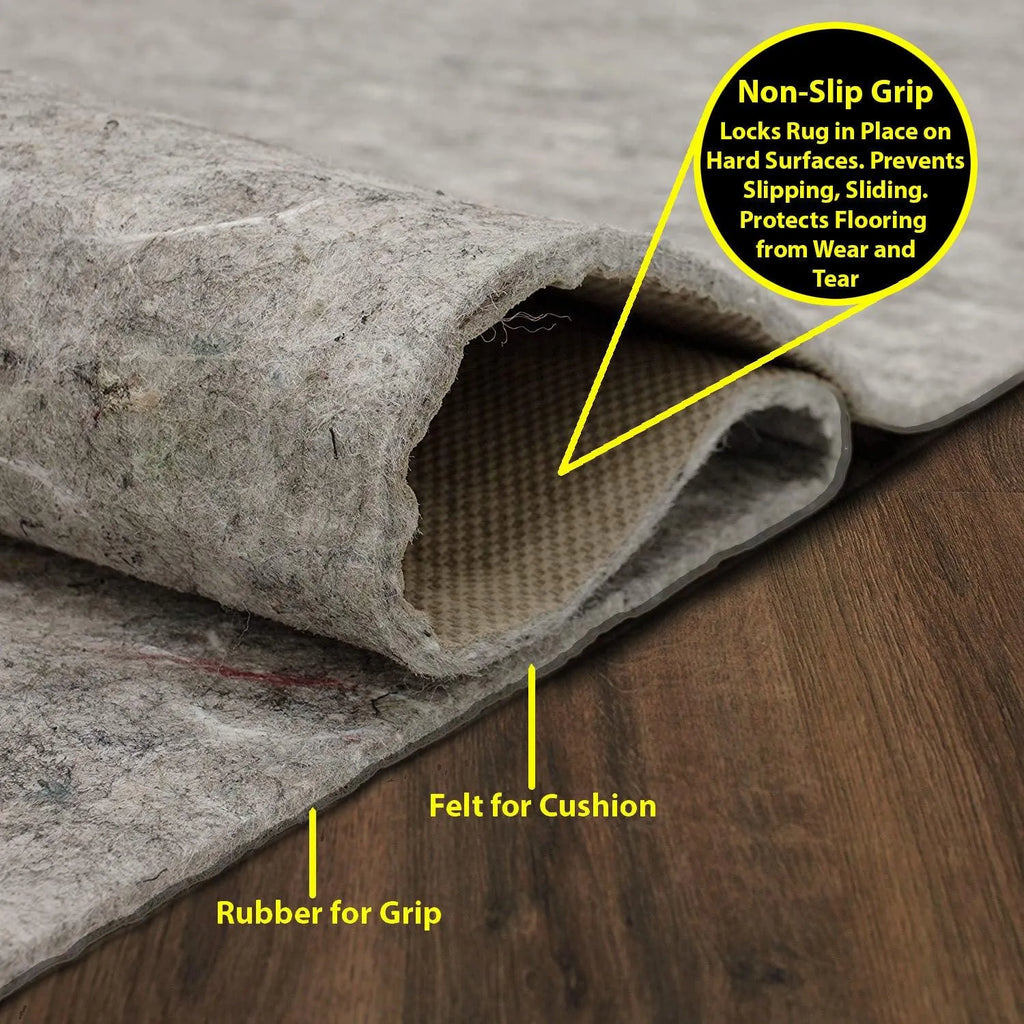
Multi Sizes LoomBloom Dual Surface Felt & Rubber Non-Slip Backing Rug Pad Made in USA
Select your rug size, we'll trim it accordingly.
- Exact Size: 6'1"x9'8"
- Weave: Hand Knotted Rug
- Yarn: Wool
- Color: Ivory, Blush, Red, Lime
- Origin: Iran
- Pile Height: 1 inch
- Condition: New
- Condition Description: New With Tags
- Rug#: ORH21174
Story Behind the Art: Gabbeh rugs were originally made by women from tribes in the south-west of Persia. Gabbeh literally means unclipped, a reference to the shagginess of the pile. Rustic simplicity and indeed a certain willfulness of design give the rugs an unaffected freshness which is most sought after, especially for use in modern decor. Original designs were very basic with only a limited number of decorative patterns, mostly geometric mix of objects resembling animals, humans (kids) or trees (abstracts), coarsely knotted with brightly colored wool. Tree designs crop up time and again in nomadic weaves. Their form is never standardized. Asymmetric and symmetric knots are often used in the same rug. But with their natural woolly texture, thickness, and extreme durability along with unique designs, they have enjoyed popularity through the ages. In modern era, Pakistan and India have emerged as popular producers of this nomadic flooring.
Want to see this rug in your room?
Picking the perfect piece has never been easier! Visualise it in your own space before making a decision.