


4x6 Hand Knotted Wool Emerald, Ivory French Aubusson Savonnerie Traditional 200 KPSI Rug
Oriental Rug Of Houston
ORH21107
Regular price
$ 1,799.97
$ 599.99
Sale
Frequently Bought Together
-
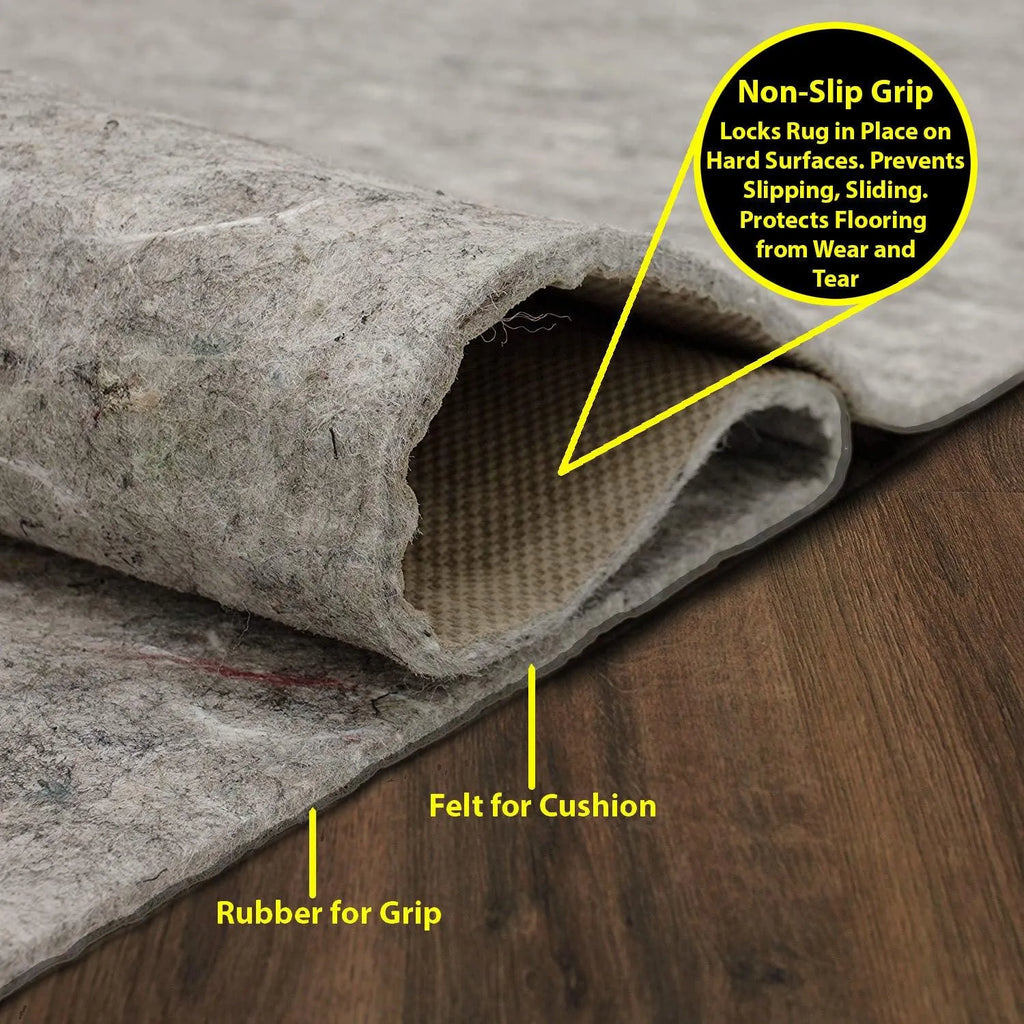
Multi Sizes LoomBloom Dual Surface Felt & Rubber Non-Slip Backing Rug Pad
- Exact Size: 4x6
- Weave: Hand Knotted Rug
- Yarn: Wool
- Color: Emerald, Ivory, Rose, Blush, Aqua, Brown, Celadon, Multi,
- Origin: China
- Pile Height: 0.5 inch
- Condition: New
- Condition Description: New With Tags
- Rug#: ORH21107
- Kpsi: 200
Story Behind the Art: French needlepoint rugs originated in 17th–18th century France, famously crafted in Aubusson and Savonnerie workshops for royal and aristocratic interiors. Featuring floral medallions and elegant scrollwork, they were hand-stitched onto canvas using fine petit and gros point techniques. These rugs were heavily influenced by classical European art, featuring floral medallions, scrollwork, garlands, and pastel palettes. They were often used in palaces, châteaux, and salons, woven with meticulous craftsmanship using the petit point and gros point techniques. By the late 20th century, China became a major producer of French-style needlepoint rugs. Using centuries-old weaving and embroidery skills, Chinese artisans began replicating Aubusson and Savonnerie designs on a global scale. These rugs are hand-stitched or handwoven, often using wool on cotton canvas, and maintain the look of antique French originals at more accessible price points.
Want to see this rug in your room?
Picking the perfect piece has never been easier! Visualise it in your own space before making a decision.