


4x6 Hand Knotted Wool Blush, Ivory Indo Tibetan Transitional Bordered Rug
Oriental Rug Of Houston
ORH20439
Regular price
$ 749.97
$ 249.99
Sale
Frequently Bought Together
-
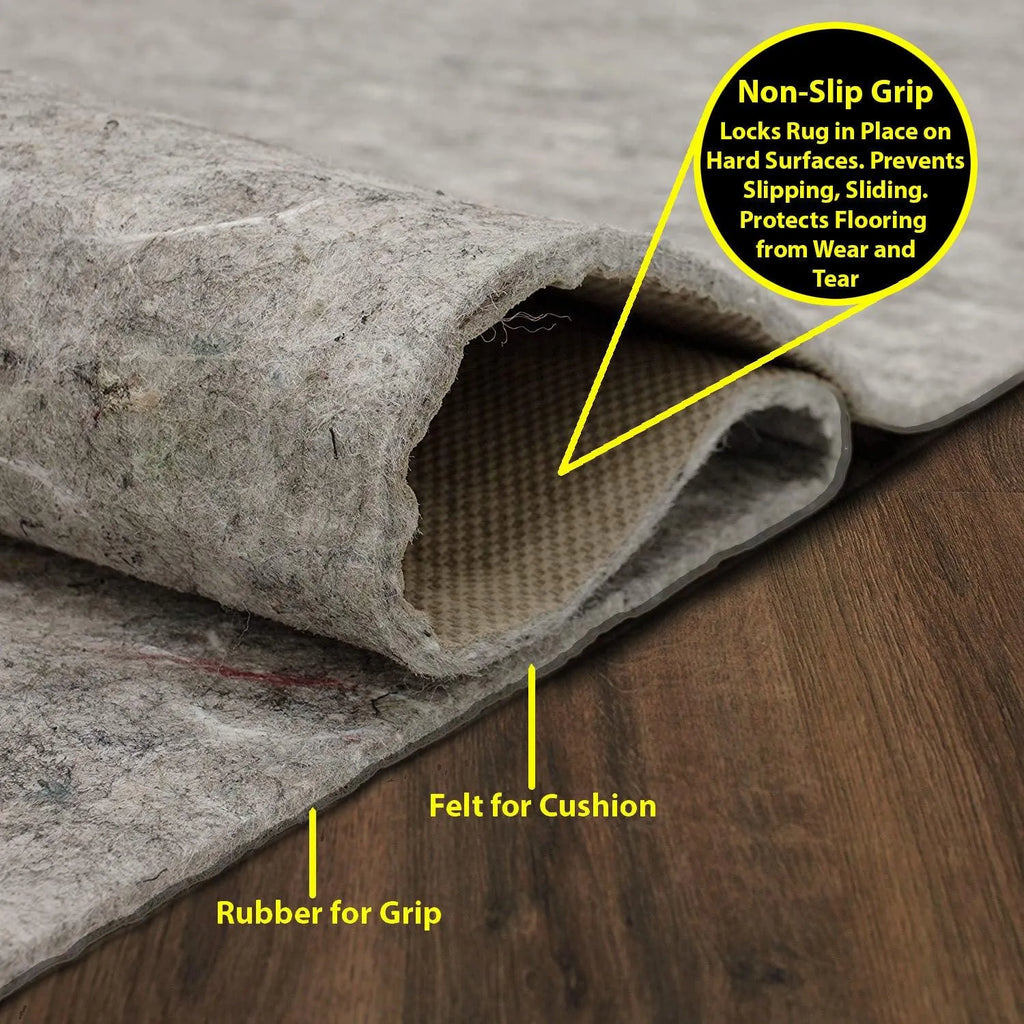
Multi Sizes LoomBloom Dual Surface Felt & Rubber Non-Slip Backing Rug Pad
- Exact Size: 4x6
- Weave: Hand Knotted Rug
- Yarn: Wool
- Color: Blush, Ivory
- Origin: India
- Pile Height: 0.6 inch
- Condition: New
- Condition Description: New With Tags
- Rug#: ORH20439
Story Behind the Art :For centuries, Tibetans have woven rugs for both functional and decorative purposes, drawing inspiration from geometric motifs, auspicious symbols, mythical creatures, and natural imagery to create designs rich in color and meaning. The craft underwent a pivotal transformation after 1959 as the Tibetan diaspora spread across Nepal and India, sparking a commercial revival of rug weaving. By the 1970s, Tibetan rugs had gained international prominence, with Nepalese artisans—trained alongside Tibetan refugees—becoming central to sustaining and evolving the tradition. Distinctive for their unique slit-loop technique known as the Tibetan knot, these rugs possess a pile of remarkable depth, texture, and softness. Today, Tibetan, Nepalese, and Indo-Tibetan rugs range from reimagined traditional motifs, such as branching florals and snow lions, to modern, free-form patterns that bridge heritage with contemporary design.
Want to see this rug in your room?
Picking the perfect piece has never been easier! Visualise it in your own space before making a decision.