


6x8'8'' Hand Knotted Viscose Beige, Aqua Sherpa Modern & Contemporary Rug
Oriental Rug Of Houston
ORH20979
Regular price
$ 4,499.97
$ 1,499.99
Sale
Frequently Bought Together
-
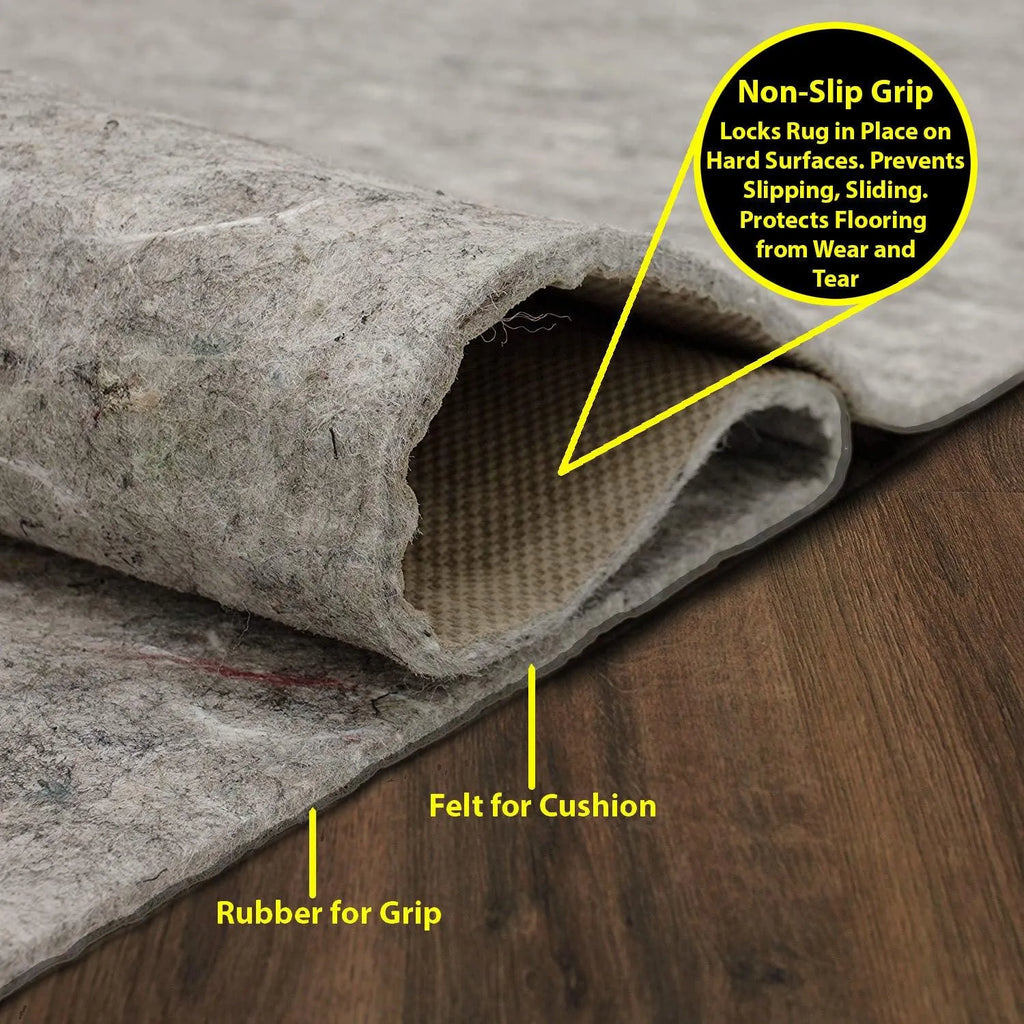
Multi Sizes LoomBloom Dual Surface Felt & Rubber Non-Slip Backing Rug Pad Made in USA
Select your rug size, we'll trim it accordingly.
Bring home endless styling versatility with a silky, hand-knotted rug designed to evolve alongside your changing home decor. Hand-loomed with shimmering viscose in an airy palette of beige, muted aqua, golden wheat, and taupe, this piece offers dynamic light-reflecting depth that pairs flexibly with any color scheme or wood finish. Crafted for elegance, its plush pile easily suits both high-traffic family rooms and refined sanctuary spaces. It’s a rug that never gets boring. *
- Brand: Kalaty
- Exact Size: 6x8'8"
- Weave: Hand Knotted Rug
- Yarn: Viscose
- Color: Beige, Aqua, Taupe, Gold, Orange, Multi
- Origin: India
- Pile Height: 0.25 inch
- Condition: New
- Condition Description: New With Tags
- Rug#: ORH20979
Story Behind the Art :For generations, rug weaving has played an essential role in Tibetan culture, serving both practical needs and artistic expression. Traditional Tibetan rugs draw from a rich visual language that includes geometric arrangements, symbolic motifs, mythical figures, and elements inspired by the natural world, all woven together to convey meaning, protection, and harmony. A major turning point occurred after 1959, when the Tibetan diaspora settled across Nepal and India, leading to a renewed and expanded approach to rug making. This period marked the beginning of a commercial revival, and by the 1970s, Tibetan rugs had achieved global recognition. Nepalese craftsmen, working closely with Tibetan refugees, became instrumental in preserving the techniques while refining production and design. One of the defining features of these rugs is the Tibetan knot, a distinctive slit-loop method that creates a plush, dense pile with exceptional texture and softness. Today, Tibetan, Nepalese, and Indo-Tibetan rugs encompass a wide spectrum of styles, ranging from updated interpretations of traditional imagery—such as floral branches and symbolic animals—to contemporary abstract designs that seamlessly connect centuries-old heritage with modern aesthetics.
Want to see this rug in your room?
Picking the perfect piece has never been easier! Visualise it in your own space before making a decision.