


4x6 Hand Knotted Wool Green, Ivory Indo Tabriz Traditional Rug
Oriental Rug Of Houston
ORH20397
Regular price
$ 1,049.97
$ 349.99
Sale
Frequently Bought Together
-
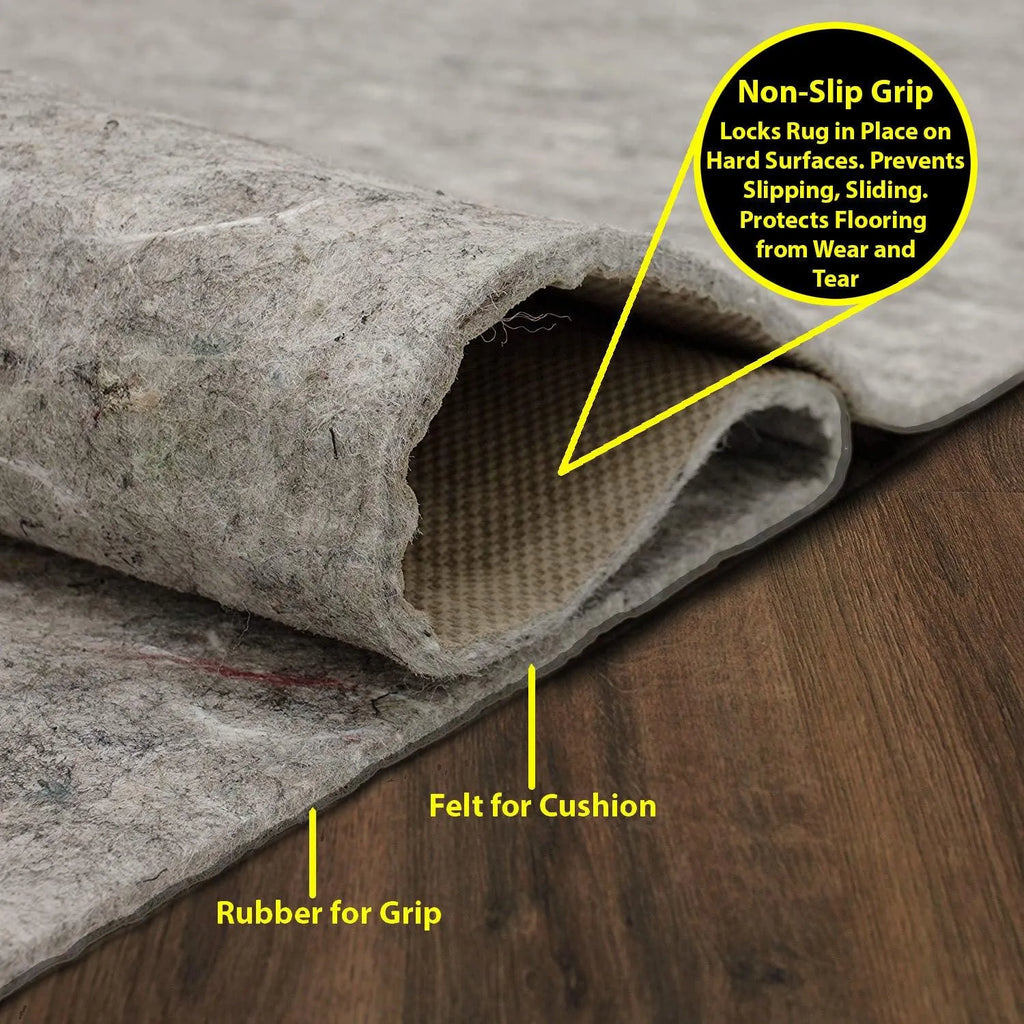
Multi Sizes LoomBloom Dual Surface Felt & Rubber Non-Slip Backing Rug Pad Made in USA
Select your rug size, we'll trim it accordingly.
- Exact Size: 4x6
- Weave: Hand Knotted Rug
- Yarn: Wool
- Color: Green, Ivory, Rust, Red, Beige, Gold, Multi
- Origin: India
- Pile Height: 0.6 inch
- Condition: New
- Condition Description: New With Tags
- Rug#: ORH20397
Story Behind the Art: Indo-Tabriz rugs represent a masterful fusion of Persian design and Indian craftsmanship. These rugs are produced in India but take their artistic DNA from the city of Tabriz in northwestern Iran. While a genuine Persian Tabriz is prized for its extreme technical precision and history, the "Indo" version offers a bridge between high-end antique aesthetics and modern affordability. They faithfully replicate the classic Tabriz themes, most notably the Mahi (Herati) pattern, a repeating diamond lattice with stylized fish or leaves. Indo-Tabriz rugs are typically woven with the Persian (asymmetrical) knot and are usually made with a wool pile on a cotton foundation. To tell a Tabriz from an Indo-Tabriz, look at the back. A Persian Tabriz usually has a very stiff, flat back due to the way the knots are packed, whereas an Indo-Tabriz feels slightly more supple and flexible.
Want to see this rug in your room?
Picking the perfect piece has never been easier! Visualise it in your own space before making a decision.