


Hand Knotted Wool Rug Ivory, Aqua Traditional Kerman 2'6''x14'3'' Runner
Oriental Rug Of Houston
ORH22135
Regular price
$ 2,400.00
$ 800.00
Sale
Frequently Bought Together
-
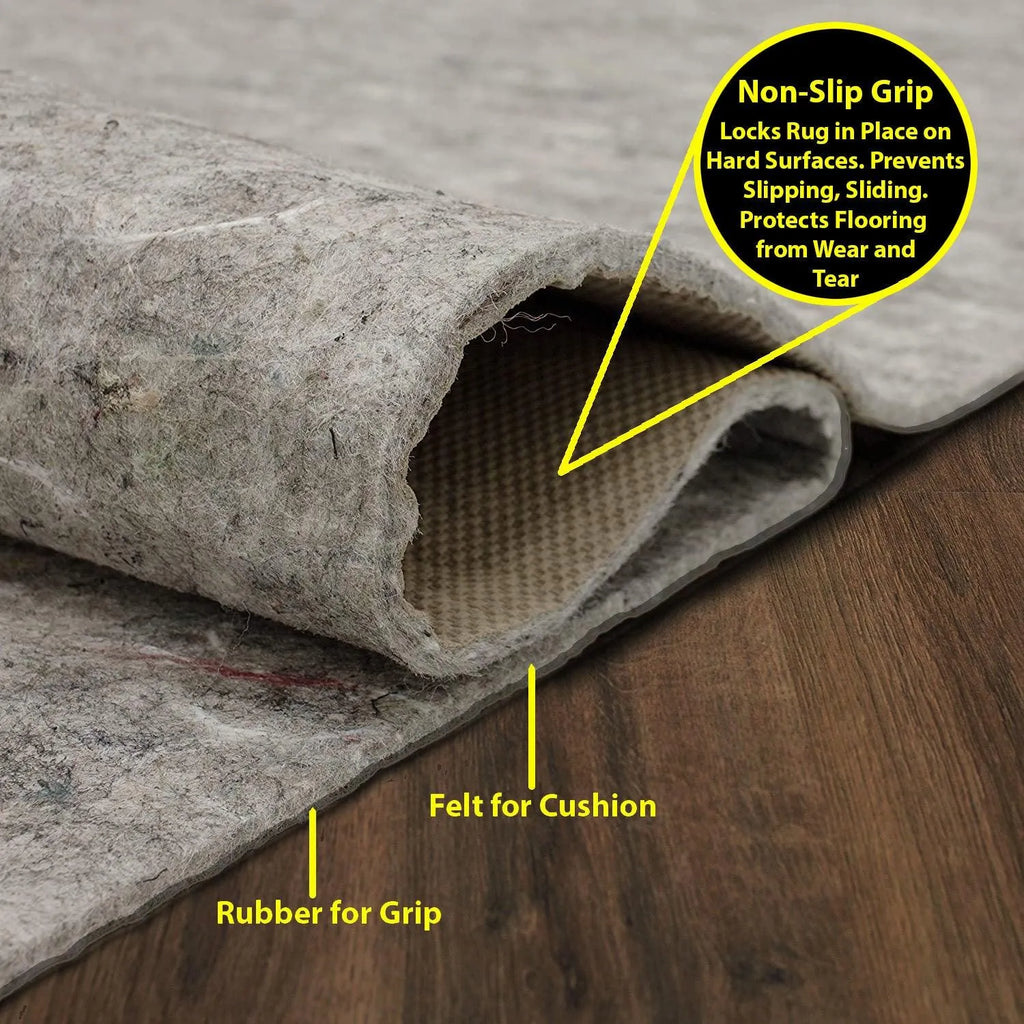
Multi Sizes LoomBloom Dual Surface Felt & Rubber Non-Slip Backing Rug Pad Made in USA
Select your rug size, we'll trim it accordingly.
- Exact Size: 2'6"x14'3"
- Weave: Hand Knotted Rug
- Yarn: Wool
- Color: Ivory, Aqua, Rose, Gold, Sage, Brown, Multi
- Origin: India
- Pile Height: 1 inch
- Condition: New
- Condition Description: New With Tags
- Rug#: ORH22135
Story Behind the Art: Famous for their technical quality and elaborate design, Kerman rugs originated in its namesake city of Kerman in south-eastern Iran. Kerman has been a celebrated center of workshop weaving since the Safavid era (1501-1732). A typical pattern for Kerman rugs and rugs is a floral or architectural theme in the main border with a central medallion in the field. Other patterns range from Shah Abbasi medallion-and-corner, garden, vase, tree of life, hunting and animals to all-over boteh, all-over floral and stripes. The most recognized Kerman rug design is the vase or boteh rug pattern, which consists of an all-over pattern of vases or boteh strewn all over the rug against a background of floral motifs and palmettes. Kerman rugs are noted for their finesse of weave, delicate designs and an unparalleled range of colors. It takes over a year to make a Kerman rug and usually anywhere from 15-30 colors are used per rug.
Want to see this rug in your room?
Picking the perfect piece has never been easier! Visualise it in your own space before making a decision.