


3'9''x11'6'' Hand Knotted Wool Rust Gold Kurdish Hamadan Traditional Geometric Tribal Vintage Vegetable dyes Rug
Oriental Rug Of Houston
ORH21213
Regular price
$ 5,399.97
$ 1,799.99
Sale
Frequently Bought Together
-
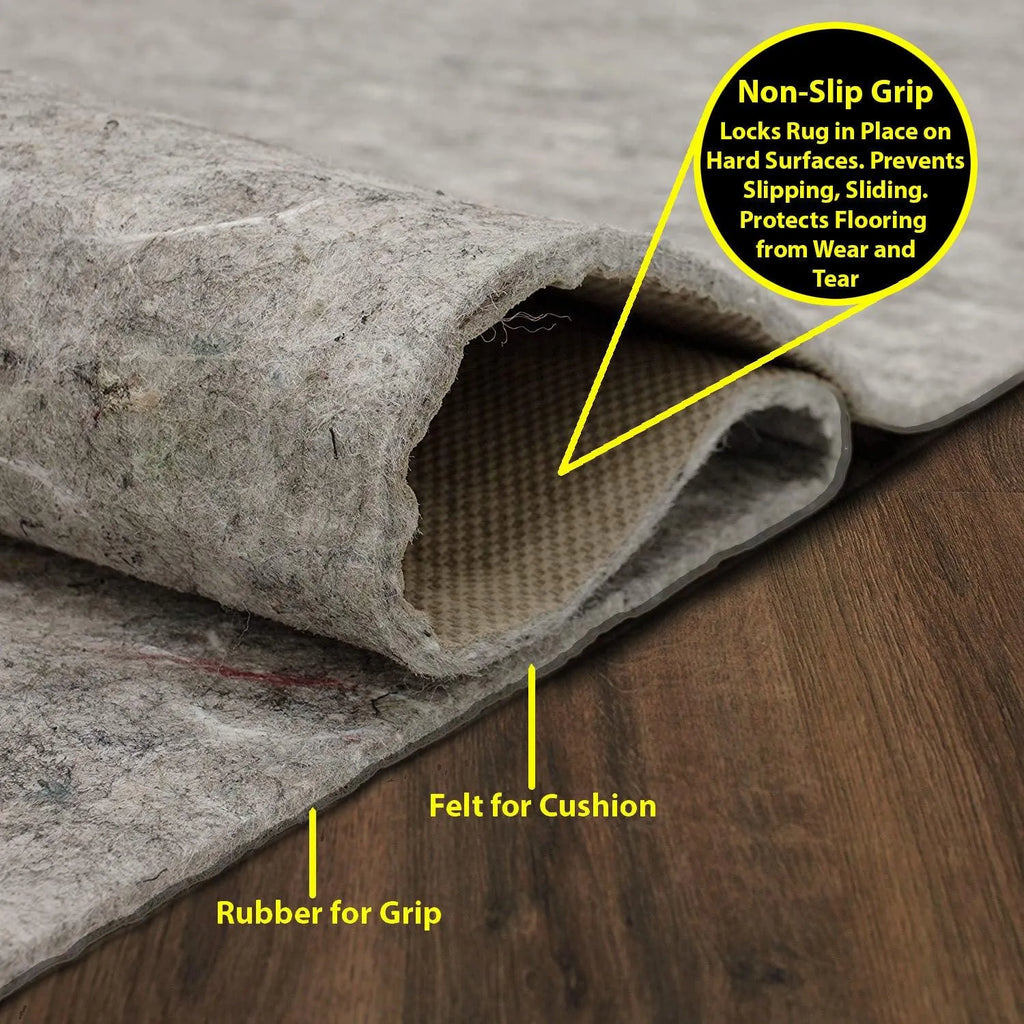
Multi Sizes LoomBloom Dual Surface Felt & Rubber Non-Slip Backing Rug Pad Made in USA
Select your rug size, we'll trim it accordingly.
- Exact Size: 3'9"x11'6"
- Weave: Hand Knotted Rug
- Yarn: Wool
- Color: Rust, Gold, Charcoal, Orange, Ivory, Sage, Blue, Multi,
- Origin: Iran
- Pile Height: 0.25 inch
- Condition: Pre-Owned
- Condition Description: Vintage in mint condition
- Rug#: ORH21213
Story Behind the Art: Hamedan rugs, originating from the ancient city of Hamedan in western Iran—one of the country’s oldest and most prolific weaving centers—are renowned for their durability above all else. While they may not possess the intricate refinement of Kerman patterns, the fine knotting of Kashan, or the inventive variety of Tabriz, they stand out as some of the most hard-wearing Persian rugs ever made. This resilience is owed to the use of coarse, robust local wool, which produces a thick, deep pile ideally suited for longevity. Stylistically, Hamedan rugs are distinguished by bold central or multiple medallions, framed by angular tendrils, stylized motifs, and at times, animal figures. Though simpler in execution than other Persian traditions, their designs exude a raw, primitive strength—where geometric and stylized forms combine to create an aesthetic that is both enduring and powerfully expressive.
Want to see this rug in your room?
Picking the perfect piece has never been easier! Visualise it in your own space before making a decision.