


Hand Knotted Wool Rug Black, Brown Traditional Aubusson Savonnerie 200 KPSI 2'7''x11'10'' Runner
Oriental Rug Of Houston
ORH22134
Regular price
$ 3,000.00
$ 1,000.00
Sale
Frequently Bought Together
-
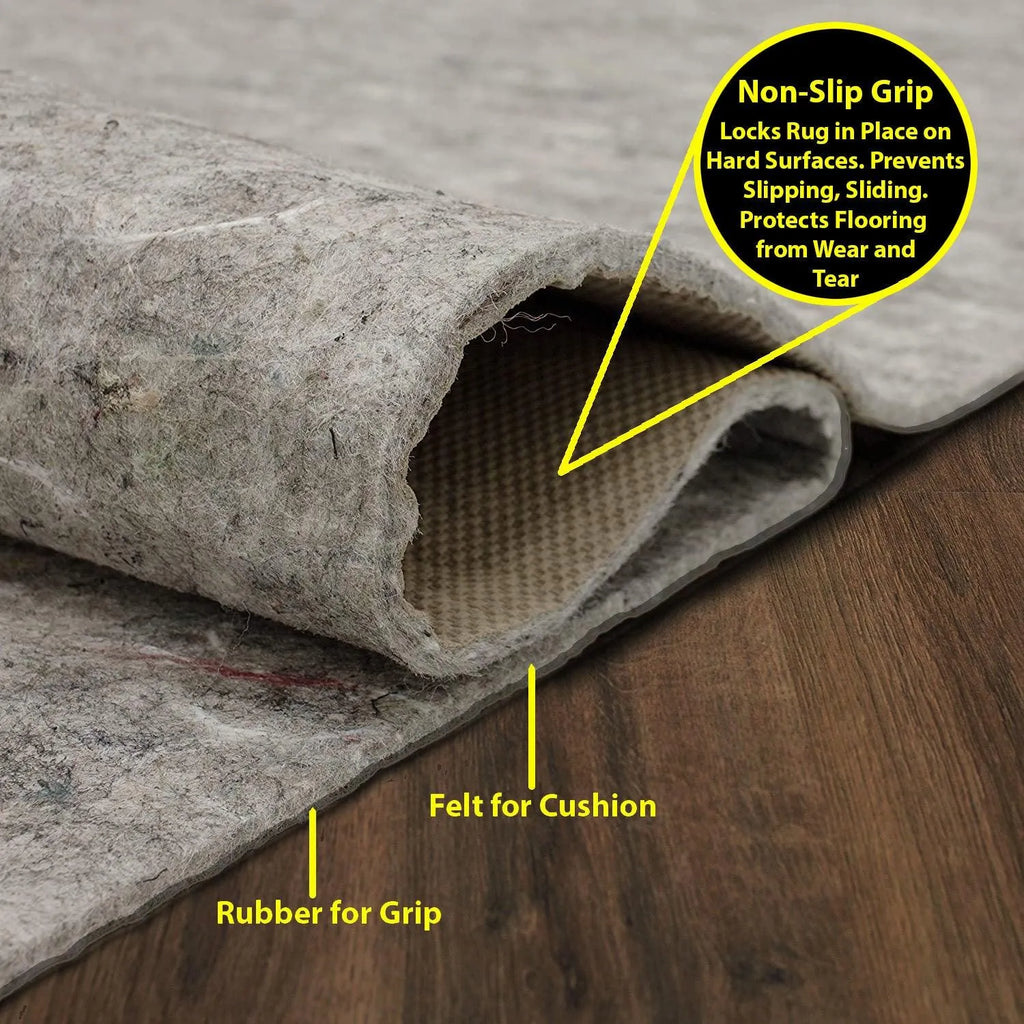
Multi Sizes LoomBloom Dual Surface Felt & Rubber Non-Slip Backing Rug Pad Made in USA
Select your rug size, we'll trim it accordingly.
- Exact Size: 2'7"x11'10"
- Weave: Hand Knotted Rug
- Yarn: Wool
- Color: Black, Brown, Beige, Green, Red, Peach, Gold, Multi,
- Origin: China
- Pile Height: 0.4 inch
- Condition: New
- Condition Description: New With Tags
- Rug#: ORH22134
- Kpsi: 200
Story Behind the Art: Savonnerie rugs trace their origins to the renowned Savonnerie Manufactory in France, the most prestigious producer of knotted pile rugs during its golden era from 1650 to 1685. The name "Savonnerie" has since come to represent a distinct tradition of French rug-making, known for its luxurious textures, regal aesthetics, and intricate artistry. These rugs often feature framed medallions—either pictorial or armorial—surrounded by lush bouquets, leafy rinceaux, and elaborate floral motifs, typically set against rich backgrounds of deep blue, black, or brown and enclosed within multiple ornate borders. What sets French Aubusson Savonnerie rugs apart is their pioneering use of depth perspective—a technique developed by 17th-century French artists and weavers to create a sense of three-dimensionality in the design. Characterized by symmetrical knots, vivid color palettes, and exuberant patterns, these rugs remain timeless symbols of elegance. Today, their legacy lives on through skilled reproductions crafted in India, Pakistan, China, and Iran, allowing collectors and design enthusiasts to continue enjoying this classic French art form.
Want to see this rug in your room?
Picking the perfect piece has never been easier! Visualise it in your own space before making a decision.